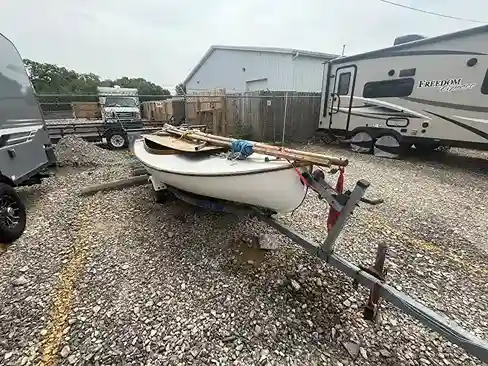

Why This Local Issue Matters Right Now
In December 2025, Oakland finalized a contract with Lind Marine to remove an estimated 36 abandoned and sunken vessels from the Oakland-Alameda Estuary. The funding — a $3.2 million NOAA federal grant — is already active, and removals are scheduled to continue through 2027.
This isn’t a future proposal. It’s happening now, and the pressure on vessel owners in the area is real.
Oakland’s Nuisance Vessel Ordinance (2023) gives local police authority to remove unauthorized boats from city waters. The Bay Conservation and Development Commission can fine the City of Oakland up to $6,000 per day for non-compliance — which means city officials have strong financial motivation to enforce vessel removal aggressively.
The stakes became visible in May 2025 when the Kaisei tall ship sank at an Alameda dock, triggering a fuel containment response by Alameda Fire. That incident put estuary pollution back in Bay Area headlines and reinforced why regulators are watching closely.
What Actually Happens During Government-Led Removal
When Lind Marine or another government contractor identifies a derelict vessel, the process is not gentle — or free for the owner.
Depending on the vessel’s condition and registration status, owners may face:
- Fines under state and local nuisance ordinances
- Seizure of the vessel without prior notice if it poses an environmental hazard
- Forced removal costs billed back to the registered owner
- Title complications that make future transactions difficult
If a vessel has fuel aboard or contains hazardous materials, a spill response adds another layer of liability. The Kaisei incident is a clear example — cleanup costs in those situations can far exceed the value of the boat itself.
Marina operators aren’t insulated either. Harbormasters who allow derelict or unpermitted boats to remain at their docks risk regulatory action from the same agencies driving the estuary cleanup.
Local Disposal and Access Considerations
Removing a boat from the Oakland-Alameda Estuary isn’t as simple as calling a tow truck. Water-based extraction requires coordination with the harbor, proper haul-out equipment, and compliance with environmental rules about fuel containment and materials handling.
Many older vessels in the estuary contain fiberglass, diesel, or other materials that require specific disposal protocols under California law. A reputable junk boat removal service will handle permitting, hazmat concerns, and the logistics of getting a vessel out of the water — details that become exponentially more complicated once a boat starts taking on water or sinking.
Title issues add another layer of complexity. If your vessel’s paperwork isn’t current or you’ve lost documentation, that needs to be resolved before or during removal to avoid additional legal exposure.
For Alameda-specific logistics — including dock access, local permitting, and working with area marinas — the boat removal in Alameda, CA page covers what to expect in this specific geography.
When to Call for Help
If your vessel is moored in or near the estuary and any of the following apply, it’s worth getting a professional assessment sooner rather than later:
- The boat hasn’t moved or been maintained in more than six months
- There’s visible water intrusion, structural damage, or a failing bilge pump
- Registration or title documents are out of date
- You’ve received any contact from marina management or local authorities
- You simply no longer want the vessel and don’t have a plan for it
Proactive abandoned boat removal in Alameda costs a fraction of what government-forced removal typically runs — and it avoids the fines, liens, and credit implications that can follow a regulatory seizure.
The I Heart Oakland-Alameda Estuary stewardship program is also developing a long-term vessel management plan, which means this regulatory environment isn’t going away after 2027. Owners who act now, while private removal is still a clean option, are in a much better position than those who wait.
If you’re unsure whether your boat qualifies as a problem vessel under current ordinances, a quick consultation with a local boat removal service can clarify your exposure — before someone else makes that determination for you.