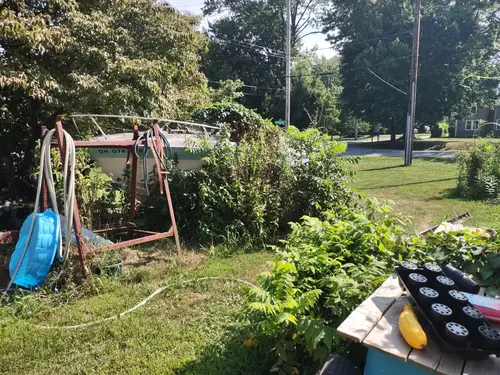

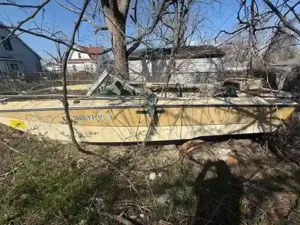
An abandoned boat sitting on your property isn’t just an eyesore — it can become your legal and financial problem if you don’t handle it correctly. Before you call a tow truck or start cutting it apart, there are specific steps you need to follow.
What Legally Qualifies as an Abandoned Vessel
Not every boat left on your property is legally “abandoned.” Most states define an abandoned vessel as one that has been left unattended for a set period — typically 30 to 90 days — without any visible registration, or where the owner has made no attempt at contact or upkeep.
A boat with expired registration, visible deterioration, or no safety equipment aboard often meets the threshold. But the clock doesn’t start the moment it shows up. You usually need to initiate a formal process first.
State Notification Requirements Before You Act
This is where most property owners get into trouble. Abandoned vessel laws vary significantly by state, and skipping the notification step can expose you to liability even when you’re the victim here.
Most states require you to:
- Report the vessel to your state’s Fish and Wildlife agency or marine law enforcement
- Attempt to locate the registered owner through the state’s vessel registration database
- Post a written notice on the vessel itself and wait out a mandatory holding period, often 30 days
Some coastal states have expedited processes for vessels that pose environmental hazards, such as fuel leaks or structural collapse risk. Check your state’s specific rules — our Boat Removal Laws by State guide breaks down regional regulations in detail.
Who Pays for the Removal
The short answer: it depends on whether the owner can be found.
If authorities can identify and locate the registered owner, removal and disposal costs are typically their responsibility. If the owner is untraceable or has legally surrendered the vessel, many states allow the property owner to recoup costs through a lien on the boat’s title — assuming one exists.
In practice, collecting from an absent owner is difficult. Many property owners end up absorbing some or all of the cost, especially when dealing with a vessel with no clear title history. If that’s your situation, reading up on boat disposal without a title can clarify your options before you commit to anything.
Document Everything Before Touching the Boat
Before any removal happens, document the vessel thoroughly. This protects you legally and supports any future cost-recovery claim.
Take timestamped photos of:
- The full vessel from multiple angles
- Any visible hull ID numbers or registration markings
- Existing damage, fuel tanks, batteries, and bilge areas
- The location on your property, including proximity to water or drainage
Keep copies of every piece of correspondence — letters to the owner, responses from state agencies, and any notices posted on the boat. If a dispute arises later, this paper trail is your best defense.
When to Call a Professional vs. File With Authorities
Filing with local marine law enforcement or your state environmental agency is the right first move for most situations. They can run the registration, document the vessel officially, and sometimes take custody of it entirely.
However, if the process stalls — or the boat presents an immediate environmental threat — professional abandoned boat removal services can often work in parallel with the legal process. A reputable service will know the local requirements and handle boat hazardous materials disposal properly, including fuel, oil, batteries, and any onboard chemicals.
Fiberglass hulls in particular require careful handling. Improper cutting or dumping can violate EPA regulations. Learn more about fiberglass boat removal to understand what’s involved.
Penalties for Improper Disposal
This is the part most people don’t anticipate. Even if you didn’t own the boat, improperly disposing of it can result in fines from your state environmental agency, the EPA, or local code enforcement.
Dumping a vessel — or scrapping it without handling hazardous materials correctly — can run afoul of the Clean Water Act and state solid waste laws. Penalties can range from hundreds to tens of thousands of dollars depending on the severity.
Sustainable boat recycling and eco-friendly boat disposal aren’t just good environmental practice — they’re often legally required. Working with a licensed removal service ensures the vessel is processed in compliance with all applicable regulations.
The Bottom Line
Abandoned boat removal is a process, not a single phone call. Follow the notification steps, document everything, understand who carries liability, and work with professionals who know how to handle disposal legally and safely. Getting this right from the start protects your property — and your wallet.