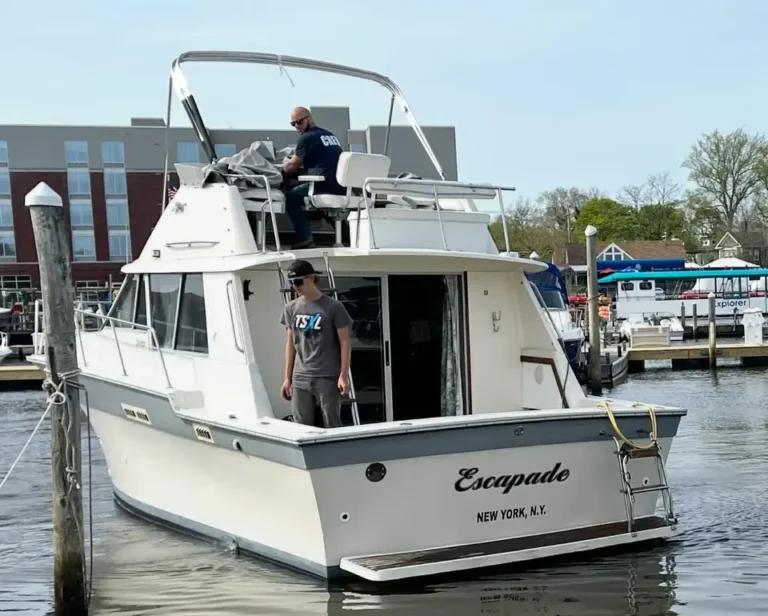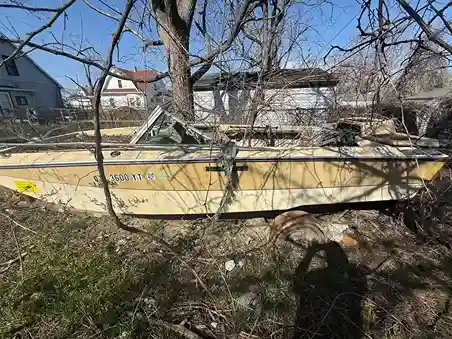

Being named executor of an estate is already a significant responsibility. When the estate includes a boat — especially one that’s aging, damaged, or simply unwanted — the legal and logistical pressure compounds quickly.
An estate boat removal executor faces a unique set of challenges: unclear title history, storage costs accruing daily, environmental regulations, and probate timelines that don’t always cooperate. Getting it wrong can expose you to personal liability. Getting it right requires a clear plan.
Your Legal Obligations as an Executor
As executor, you have a fiduciary duty to protect and preserve estate assets until they’re properly distributed or liquidated. A boat sitting unused is not a neutral asset — it can depreciate, accumulate marina fees, and create environmental liability if fuel or fluids leak.
Most states require executors to inventory all assets, including watercraft, within 30 to 90 days of appointment. Allowing a vessel to fall into disrepair can be grounds for your removal as executor in some jurisdictions.
Inherited Boat Disposal Timeline
The inherited boat disposal timeline depends on where you are in the probate process. Here’s a general framework:
- Weeks 1–4: Locate the vessel, secure it, and gather all title documentation.
- Weeks 4–8: Obtain Letters Testamentary from the probate court, authorizing you to act on behalf of the estate.
- Weeks 8–16: Clear title, arrange any required appraisal, and begin removal logistics.
- After title clearance: Schedule physical removal — whether that’s sale, donation, or disposal.
If the boat is stored at a marina, slip fees are already accruing. Contact the marina early — most will work with estates, but they have legal rights to pursue liens if fees go unpaid.
Title and Documentation Requirements
Before any probate boat removal can happen legally, you’ll need clear title. For most vessels over 14 feet, that means a state-issued certificate of title — not just a bill of sale.
Required documents typically include the original certificate of title, a death certificate, Letters Testamentary from the probate court, and Coast Guard documentation if the vessel is federally documented.
If the title is lost or the boat was never properly titled, the process gets more complicated. A maritime attorney can help clear title, especially for older vessels with incomplete paperwork histories.
Liability Protection During Removal
Many executors underestimate their exposure here. If a boat is removed improperly and fuel or oil contaminates a waterway, the estate — and potentially you personally — can face cleanup costs and fines.
Working with a licensed boat removal service transfers much of that risk. Reputable companies carry proper insurance and handle hazardous material disposal in compliance with EPA and state regulations. Always get proof of insurance before any work begins.
For fiberglass vessels, disposal requires specialized handling. Fiberglass boat removal involves deconstruction methods not available through standard junk haulers.
Who Pays for Removal?
Removal costs are generally an estate expense, paid before assets are distributed to beneficiaries. Probate courts recognize this as standard practice.
If the estate has limited liquidity, some companies offer free or reduced-cost removal when they can recover salvageable parts or scrap metal. Free boat removal services may offset the cost entirely depending on the vessel’s condition.
Working With Probate Courts and Local Authorities
When settling an estate with a boat, keep the probate court informed. If the vessel needs to be sold below appraised value or disposed of outright, document your reasoning. Courts generally accept practical decisions when they’re well-supported.
Local harbor masters, the Coast Guard, and state boating agencies may also need to be notified depending on the vessel’s location and condition. Abandoned boats can trigger government intervention if left unaddressed.
Frequently Asked Questions
Can I donate the boat on behalf of the estate?
Yes, in most cases. Donated boats may qualify for a charitable deduction that benefits the estate’s tax position. The organization must be IRS-qualified, and vessels valued over $5,000 require a formal appraisal.
What if the boat is a total loss?
Junk boat removal services specialize in vessels with no resale value and manage compliant disposal responsibly.
How do I handle a boat with an outstanding loan?
The lender holds a lien on the title. You’ll need to pay off or negotiate that lien before title can transfer. Contact the lender early — this step alone can add several weeks to your timeline.
Choosing a Professional Removal Service
Look for companies with verifiable licensing, marine removal experience, and proper insurance. Ask about their process for estate situations specifically — a good provider will understand your documentation requirements and work within your probate timeline.
The right partner doesn’t just haul away a boat. They reduce your liability, simplify a complicated process, and help you fulfill your duties as executor with confidence.