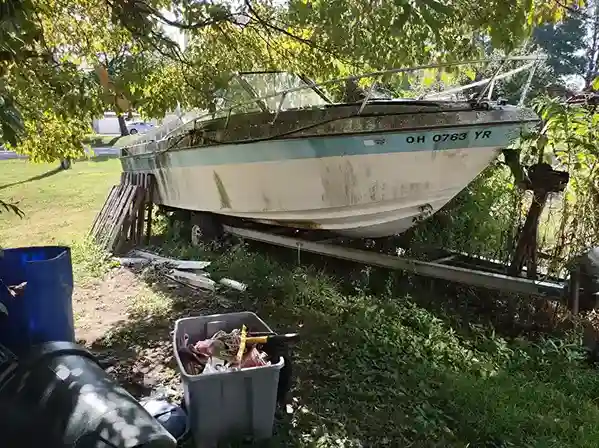

Most boat owners spend years thinking about how to use their vessel — not how to get rid of it responsibly. But when the time comes, the disposal decision carries real environmental weight. The sustainable boat recycling environmental impact is significant: an abandoned or improperly scrapped boat can leach fuel, heavy metals, and chemical coatings directly into waterways for decades.
Understanding what responsible disposal actually involves helps you make a better choice — and hold your service provider accountable.
Why Boat Disposal Is Environmentally Complex
Boats aren’t simple to scrap. A single recreational vessel can contain dozens of hazardous materials: diesel or gasoline fuel, lead-acid batteries, hydraulic fluid, engine oil, coolant, and antifouling paint loaded with biocides like tributyltin or copper compounds.
Each of those materials requires separate handling. Pouring them into a dumpster — or worse, letting a vessel rot in a marina — isn’t just irresponsible. It’s often illegal and always damaging.
Hazardous Material Extraction Comes First
Before any recycling begins, a responsible crew performs a full green boat removal process starting with fluid extraction. Fuel tanks are pumped and drained. Batteries are removed and sent to certified recyclers. Engine compartments are inspected for oil and coolant leaks.
Antifouling paint is treated carefully during hull deconstruction. Because this paint is specifically designed to kill marine organisms, it has no business entering a recycling stream without proper containment protocols.
The Multi-Step Recycling Process
Once hazardous materials are contained, the vessel moves through a structured deconstruction process:
- Fluid and battery removal — handled by certified technicians following EPA guidelines
- Hardware stripping — electronics, rigging, fittings, and engines are removed for resale or metal recovery
- Hull separation — fiberglass, aluminum, steel, and wood are sorted before processing
- Material-specific recycling — each stream goes to the appropriate facility
This isn’t a one-step crush-and-dump operation. Done right, eco-friendly boat disposal methods involve multiple vendors, certifications, and material-tracking documentation.
What Happens to Fiberglass
Fiberglass is one of the biggest challenges in boat recycling. It can’t be melted down like metal or composted like wood. For years, most fiberglass hulls ended up in landfills.
That’s changing. Modern facilities now process fiberglass through grinding and thermal recovery, producing materials used in cement manufacturing and composite board production. It’s not a perfect solution, but it’s significantly better than burial. If you own a fiberglass vessel, our guide on fiberglass boat removal covers what to expect from the process.
Metal Salvage Has Real Value
Aluminum, steel, copper wiring, bronze fittings, and stainless steel hardware all carry scrap value — and they’re fully recyclable. Metal salvage is often what makes responsible vessel recycling economically viable without passing the full cost to the owner.
In some cases, the recovered metal value offsets enough of the processing cost that removal services can offer reduced-cost or even free pickup. If you’re curious whether that applies to your situation, it’s worth exploring free boat removal services based on your vessel’s composition and location.
Regulatory Standards That Matter
Legitimate recyclers operate under EPA hazardous waste regulations, which govern how fluids, batteries, and coatings are stored, transported, and processed. On the international side, the IMO’s Ship Recycling Convention sets standards for larger commercial and fishing vessels — though its principles inform responsible practices at every scale.
Commercial and fishing boats face additional scrutiny given their fuel capacity and hull treatments. Proper decommissioning for those vessels follows stricter protocols, which you can read more about through our overview of fishing and commercial boat removal.
Abandonment vs. Recycling: The Carbon Math
An abandoned vessel doesn’t just sit harmlessly. Degrading fiberglass releases styrene. Corroding metal leaches into sediment. Fuel systems fail and contaminate surrounding water. The environmental cost of inaction compounds every year the boat sits.
Responsible recycling, by contrast, contains those materials before they disperse. The carbon footprint of transportation and processing is real — but it’s measurably smaller than the long-term damage of abandonment.
How to Verify a Service Is Actually Responsible
Not every company that calls itself eco-friendly follows through. When evaluating a boat removal service, ask specific questions:
- Do they provide documentation of fluid disposal?
- Are they licensed to handle hazardous waste?
- Can they tell you where the fiberglass and metal end up?
- Do they partner with certified downstream recyclers?
A trustworthy provider will answer those questions directly. If you’re researching options in your area, boat removal services that prioritize transparency will typically say so upfront — and back it up with specifics.
The responsible path exists. It just requires asking the right questions before signing anything.