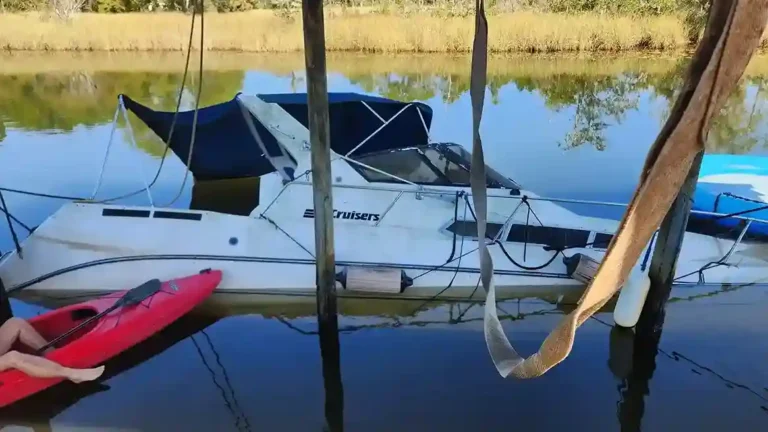

What Happened at Essex Yacht Harbor Should Concern Every Baltimore Marina Owner
In April and May 2025, Baltimore County fined Essex Yacht Harbor $4,000 for harboring more than 110 sunken and rotting vessels in Back River. The boatyard had allowed derelict boats to accumulate until they became a visible environmental and legal liability — and the county ran out of patience.
That fine may sound modest, but the reputational and operational consequences are not. The story made local news, drew regulatory scrutiny, and put every marina and waterfront property owner in the Baltimore area on notice.
If you have abandoned or derelict vessels on your property right now, the question is no longer whether enforcement will come. It’s whether you’ll act before it does.
What Maryland Law Actually Requires
Maryland Natural Resources § 8-721 establishes the state’s framework for dealing with derelict, abandoned, and sunken vessels. Under this statute, property owners and marina operators bear responsibility for vessels left on their property — even boats they don’t own.
The law defines an abandoned vessel broadly. A boat that has been left without the owner’s apparent intent to return, that poses a navigation or environmental hazard, or that has been derelict for an extended period can qualify. Once a vessel is tagged or formally identified under the statute, owners typically have limited time to respond — often 30 days or less — before the state or county initiates removal at the property holder’s expense.
Baltimore County code adds its own layer of enforcement, as the Essex case demonstrated. County inspectors don’t need to wait for DNR action. They can cite marina operators directly under local nuisance and environmental ordinances.
The DNR Grant Window: A Real Financial Opportunity
Maryland DNR’s Abandoned Boat and Debris (AB&D) grant program opens its application window each July. This program provides funding to qualifying entities — including marina operators and local governments — to offset the cost of removing and disposing of derelict vessels.
The catch: you need to begin documenting vessels and preparing applications before the window opens. Waiting until July to start assessing your situation usually means missing the deadline entirely.
If you have multiple derelict vessels on site, proactive documentation now could translate directly into grant eligibility. A qualified boat removal company in Baltimore can help you catalog vessels, assess their condition, and gather the information DNR typically requires for applications.
What Removal Actually Looks Like
Removing a sunken or derelict vessel from a marina is not a one-step process. Depending on the vessel’s condition, size, and location, removal may involve:
- Divers assessing the hull and structural integrity before any lift attempt
- Pumping or patching to refloat partially sunken boats
- Crane or salvage barge operations for fully submerged vessels
- Hazardous material containment for fuel, oil, and battery fluid
- Coordination with the harbormaster and potentially the Army Corps of Engineers for navigable waterways
Older fiberglass vessels present particular challenges. Many boats from the 1970s and 1980s contain materials that can’t simply be landfilled. Environmentally responsible boat disposal in Maryland means working with removal teams that understand how to handle these materials — separating recyclable metals, managing fiberglass waste, and disposing of hazardous fluids within state guidelines.
Local Access and Logistics Matter
Back River, the Patapsco, the Middle Branch, and Baltimore’s Inner Harbor all present distinct access challenges. Shallow draft areas, fixed bridges, and congested marina lanes affect what equipment can be used and when.
Professional boat disposal services in Baltimore that operate locally understand these constraints. They know which waterways require permit coordination, where barge access is feasible, and how to stage equipment without disrupting active marina operations.
That local knowledge matters more than most marina operators realize until they’re mid-project and facing a logistical problem they hadn’t anticipated.
When to Pick Up the Phone
If you have vessels on your property that haven’t moved in months, are taking on water, or have been formally flagged by the county or DNR, the time to act is now — not after the next inspection.
The Essex Yacht Harbor case is a clear illustration of what inaction costs. Professional boat removal services in Maryland exist precisely to help marina operators resolve these situations before they become enforcement actions. Getting an assessment costs far less than a fine, a cleanup order, or the reputational damage that follows a public citation.
If you’re unsure where to start, reviewing your options with a removal specialist is a straightforward first step — and one that could also position you to apply for DNR grant funding before July’s window closes.