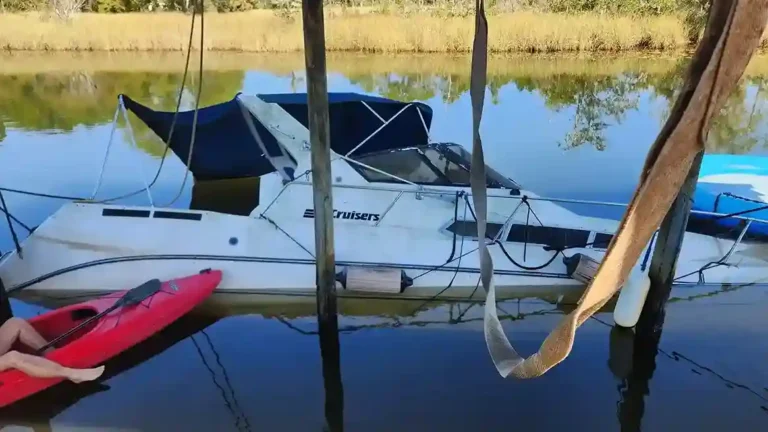

Why Bayonne’s Waterways Create Unique Legal Pressure
Most New Jersey towns deal with abandoned boats on a single waterway. Bayonne sits where three meet — the Kill Van Kull, Newark Bay, and Upper New York Bay — and that geography puts derelict vessels under layers of oversight that inland municipalities rarely face.
Summer 2025 is peak boating season, which means marina operators and waterfront property managers are actively discovering non-paying slip holders and deteriorating vessels right now. The timing matters because the legal clock starts the moment a vessel is flagged as abandoned.
A recently introduced NJ Senate bill (S2757) would create a formal Abandoned and Derelict Boat Removal fund with $25 million in appropriations, signaling that state lawmakers are paying close attention to exactly this problem.
What Bayonne’s Ordinance and NJ Title 12 Actually Say
Bayonne’s municipal code, Chapter 23, explicitly prohibits vessel abandonment on or near the city’s waterfront. Violations carry fourth-degree crime penalties — fines up to $7,500 — which is a meaningful escalation from a simple civil infraction.
NJ Title 12 operates on top of that. Under state law, authorities can issue daily fines up to $1,000 for each day a derelict vessel remains in place. After 30 days without owner action, the municipality gains the legal authority to seize title, arrange removal, and charge all associated costs back to the registered owner.
That 30-day window is not a grace period — it’s the point of no return. Once the city moves, the owner loses control over how, when, and at what cost the boat is removed.
What Actually Happens During Removal
Proactive boat removal in Bayonne, NJ looks very different from a city-initiated seizure. When an owner arranges removal voluntarily, they can coordinate directly with a salvage contractor, choose a timeline that works, and retain flexibility over the disposal method.
A city-ordered removal involves harbor authority coordination, possible Coast Guard notification given Bayonne’s proximity to active federal shipping channels, and crane or barge access — all of which drive up costs that get billed back to the owner.
For vessels that have taken on water or are partially submerged, containment booms and environmental assessments may be required before any lift occurs. Diesel and oil contamination in tidal waterways triggers additional state environmental agency involvement, adding time and expense.
Local Disposal and Salvage Considerations
Junk boat removal in Bayonne faces practical constraints that don’t exist in suburban or rural settings. Industrial waterfront access is limited, truck routing through the city’s tight street grid requires planning, and some marina facilities have weight restrictions on their haul-out equipment.
Boat salvage in Bayonne can still yield value depending on the vessel’s condition. Engines, electronics, stainless hardware, and aluminum components often have scrap or resale value. A qualified salvage contractor will assess this before the vessel is scrapped or sent for fiberglass recycling — a step that’s worth asking about explicitly.
Boat disposal in Bayonne, NJ must comply with both state solid waste regulations and any port authority requirements if the vessel is moved by water. Choosing a contractor familiar with Hudson County’s waterfront permitting process saves significant delays.
Marina Operators Face Stricter Coordination Requirements
If you manage a marina or private dock along Bayonne’s waterfront, the legal exposure is compounded. Allowing a vessel to sit abandoned without formal written notification to the owner — and documented follow-up — can expose the facility to liability if the city classifies inaction as enabling abandonment.
Marina operators should document the condition of any suspect vessel with dated photographs, send certified written notice to the registered owner, and file a report with Bayonne’s harbor authority if no response is received within a reasonable period. This paper trail protects the facility and demonstrates good faith if the situation escalates.
When to Call for Help
The practical threshold is simple: if a vessel hasn’t moved in 30 days and the owner isn’t responding, the legal exposure is real and growing daily. Proactive removal is almost always less expensive than what follows a municipal seizure order.
Whether you’re the boat owner trying to get ahead of the situation or a marina manager dealing with an abandoned slip, working with a contractor experienced in junk boat removal services in tidal, urban waterways gives you the best outcome. Bayonne’s waterways are too regulated — and too visible — to let a problem vessel sit and hope it resolves itself.