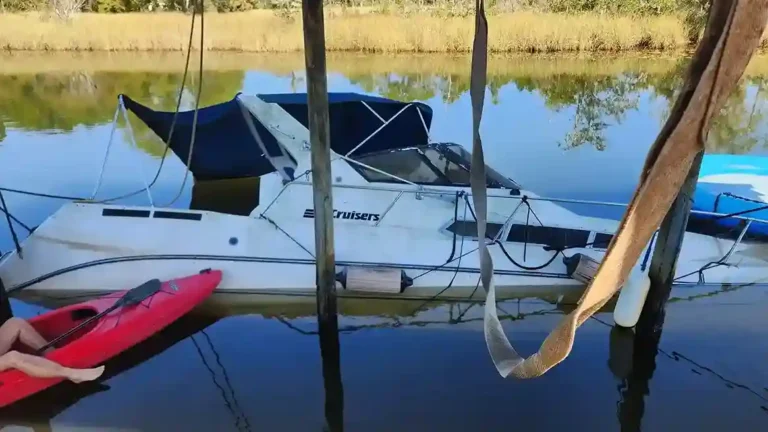

Why This Issue Is Pressing Right Now
Alexandria’s City Marina is fully leased with an active waitlist. Washington Sailing Marina and Belle Haven Marina — both a short drive from Old Town along the GW Parkway — run seasonal slip portfolios that turn over every April. When a vessel doesn’t renew, stops responding, or sits visibly deteriorating through a mid-Atlantic winter, operators face a compounding problem: lost revenue from a blocked slip, potential environmental liability, and escalating scrutiny under Virginia law.
Spring 2025 is exactly when these situations surface. Owners who haven’t returned calls since November, boats taking on water, engines that won’t start — these aren’t edge cases. They’re annual realities for waterfront facilities on the Potomac.
What Virginia Law Actually Says
The Virginia Marine Resources Commission (VMRC) has clear authority under the state’s derelict vessel statutes to compel removal via court order and charge removal costs back to registered owners. But waiting for VMRC to act isn’t a strategy — it’s a liability gap.
Virginia also recently strengthened enforcement with misdemeanor-level penalties for owners who abandon vessels on state waters. NOAA-funded removal programs are active statewide. That climate puts more scrutiny on marina operators too, particularly if a vessel leaks fuel, bilge water, or other contaminants while sitting unattended at your dock.
Understanding your obligations before a problem escalates matters. For a deeper look at the legal framework, the post on Virginia Boat Removal Laws: What Alexandria Owners Must Know covers the statutory details marina managers should keep on file.
What Proactive Removal Actually Looks Like
Marina operators don’t have to wait for a court order. Most facilities have lease agreements that include non-renewal clauses and abandonment provisions — the key is acting within those terms carefully and with documentation.
When you engage a boat removal company Alexandria marina operators trust, the process typically involves an on-site assessment of the vessel’s condition, coordination with the harbormaster and any relevant local permits, a haul-out plan suited to the vessel’s state (including partially sunken or structurally compromised boats), and documented chain of custody for disposal.
That last piece — documented disposal — is what protects you. If a vessel contains fuel, oil, antifouling paint residue, or other regulated materials, improper disposal creates liability that lands on whoever last controlled the boat. Environmentally responsible boat disposal in Virginia means licensed contractors handle hazardous material separation before any fiberglass or metal goes to recycling or a certified landfill.
Local Access and Logistics on the Potomac
The GW Parkway corridor presents real logistical constraints. Heavy equipment access near Belle Haven and Washington Sailing Marina requires coordination with the National Park Service, since both facilities sit on federal parkway land. Alexandria’s City Marina on the waterfront has its own access considerations given proximity to downtown infrastructure.
A qualified professional boat removal services Virginia provider will already know these constraints. They’ll arrive with the right crane capacity, trailer equipment, and permits rather than discovering the access problem on removal day.
For context on the full scope of boat removal in Alexandria, VA, including what the process looks like from initial assessment through final disposal, that resource outlines what operators and private owners should expect at each stage.
When to Make the Call
A few specific situations warrant immediate action rather than another round of waiting:
- The vessel is listing, taking on water, or showing hull damage that poses a sinking risk
- The owner hasn’t responded to certified notices within the timeframe your lease specifies
- Fuel sheens or other discharge are visible around the slip
- The boat is blocking access to adjacent slips, creating cascading revenue loss
- VMRC or Coast Guard has made contact about the vessel’s condition
At any of those points, the cost of professional removal is almost always lower than the cost of delay — in fines, liability exposure, or lost slip revenue across a full season.
Boat disposal services in Alexandria work best when operators contact a removal company early, before a marginal situation becomes a sinking vessel or an enforcement action. The documentation a licensed provider generates — disposal manifests, hazmat handling records, photographic evidence of condition at pickup — becomes your legal shield if an owner disputes the removal later.
Marina management is complicated enough without a problem vessel anchoring your attention all season. Getting professional help isn’t an admission that something went wrong — it’s exactly how experienced operators protect their facilities and their revenue.