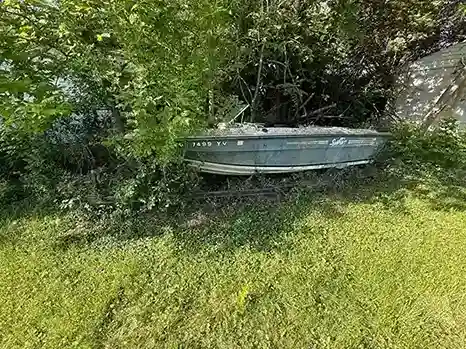

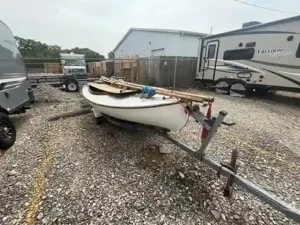
Why Albany Boat Owners Are Facing Pressure Right Now
Spring marks the moment when derelict vessels on the Flint River and Lake Chehaw become impossible to ignore. Water levels rise, flood-displaced hulls reappear on private land, and Georgia DNR enforcement activity picks up across the state.
What makes this particularly stressful for Albany residents is the legal gap they’re operating in. Georgia’s abandoned vessel funding lapsed back in 2008, and there is currently no active state-run removal program. That means the burden falls entirely on property owners and vessel holders — with real legal consequences if they don’t act quickly.
What Georgia Law Actually Requires
Under Ga. Code Ann. § 52-7-70 through 52-7-77, anyone who takes possession of or stores an abandoned vessel must notify the Georgia DNR within seven days. That’s not a suggestion — it’s a statutory deadline.
The GA DNR’s Abandoned and Sunken Vessels Project actively maps derelict boats statewide. If a vessel is reported on your property or you’re linked to an abandoned hull, you can be held responsible for its removal and any environmental damage it causes.
For property managers along the Flint River corridor or near Lake Chehaw, a boat washing onto your land after heavy rainfall puts you on the clock immediately — even if you’ve never seen the vessel before.
If you’re unsure how to handle a boat you didn’t abandon but now need to remove, the guide on abandoned boat removal and legal steps walks through the process in detail.
What Removal Actually Looks Like in Albany
Getting a boat off the Flint River or out of a Lake Chehaw access point isn’t a simple haul-away job. Albany’s waterway geography creates real logistical challenges — narrow launch points, soft riverbank terrain, and seasonal water levels all affect how a vessel can be safely extracted.
A professional removal team will typically assess the vessel’s condition first: Is it floating or sunken? Is there fuel, oil, or hazardous material onboard? Fiberglass hulls require different handling than aluminum or wood, especially for environmentally responsible boat disposal in Georgia that meets state and EPA standards.
From there, the process generally involves:
- Site assessment and access planning
- Hazardous material containment (fuel, batteries, bilge fluids)
- Physical extraction using appropriate equipment for the terrain
- Transport to a licensed disposal or recycling facility
- Documentation for DNR compliance purposes
That documentation piece matters more than most people realize. Having a paper trail showing the vessel was removed by a licensed service protects you from future liability claims.
Title Problems and Abandoned Vessels
One complication that comes up frequently with older boats is the title. If you’ve inherited a vessel, purchased property with a boat already on it, or are dealing with a hull that was abandoned by someone else, you may not have a clean title in hand.
This doesn’t make removal impossible, but it does require careful handling. The post on disposing of a vessel you can’t prove you own covers the options available in Georgia and how professional services navigate this.
When to Call for Help
If any of the following apply, contacting a private removal service immediately is the right move:
- A vessel has appeared on your property within the last week
- You have a boat that’s no longer seaworthy and sitting in the water
- You’ve received a notice from Albany city officials or GA DNR
- A boat is leaking fuel or fluids into the Flint River or Lake Chehaw
The seven-day notification window under Georgia law moves fast, especially during busy spring enforcement periods. Waiting even a few days to figure out your options can put you in violation.
Albany residents can get specific guidance and local availability through boat removal services in Albany, GA. Knowing what’s available in your area before a problem escalates makes the entire process significantly less stressful.
The bottom line: Georgia law places the responsibility squarely on the property owner or vessel holder, and Albany’s active waterways mean these situations come up more often than you’d expect. Private boat disposal services in Albany aren’t a last resort — they’re currently the only practical path to compliance.