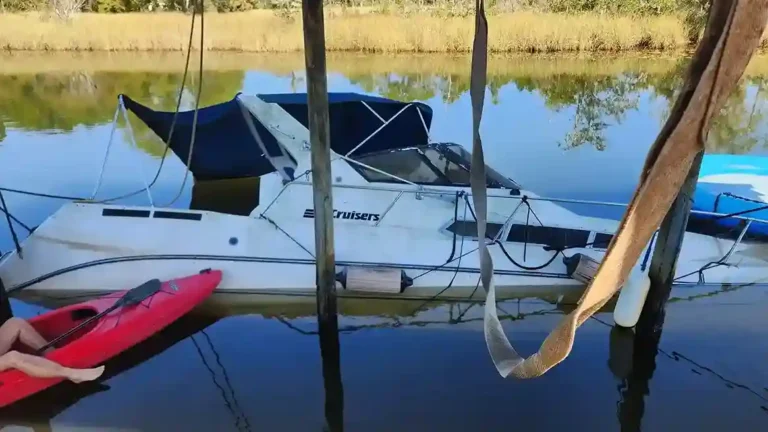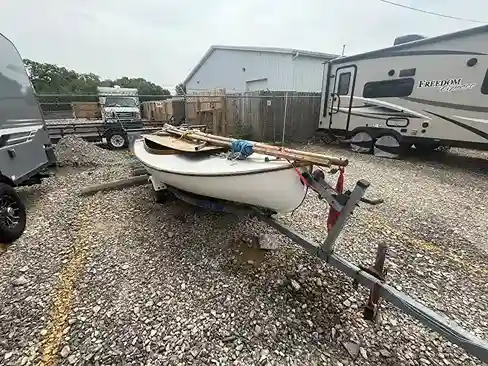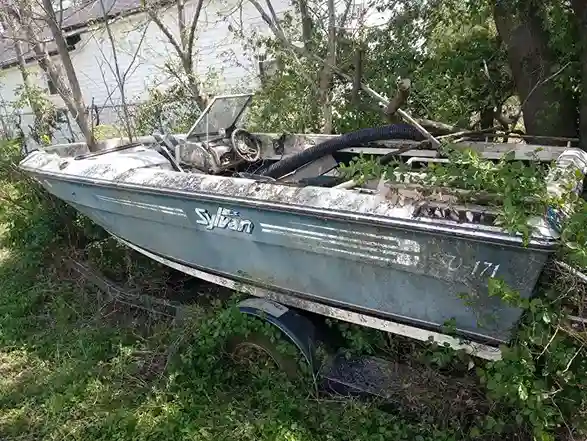

Oregon Senate Bill 795 became law on September 26, 2025. It didn’t make many headlines outside of marine enforcement circles, but for boat owners in Washington County, the timing couldn’t be more significant.
Aloha sits within the Columbia River and Willamette River basin — a region Oregon state reporting has specifically identified as heavily impacted by abandoned and derelict vessels. That designation matters now more than ever.
Why This Matters Right Now in Aloha
SB 795 expanded Oregon’s authority to classify vessels as abandoned or derelict under a broader set of conditions. Previously, enforcement had some gray area. The new law tightens definitions and accelerates the state’s ability to act.
Here’s the part that catches most owners off guard: Oregon law holds the last titled owner financially responsible for all seizure, removal, and disposal costs. That bill can run into the thousands — sometimes tens of thousands — depending on vessel size and location.
Oregon also secured roughly $1 million in new NOAA and BoatUS Foundation funding in 2025 to ramp up abandoned vessel removal statewide. Enforcement isn’t theoretical. The money is there, and the legal framework just got stronger.
If you have a vessel sitting in your driveway, yard, or in the water anywhere near Washington County, proactive boat removal in Aloha, OR is now a financial protection strategy, not just a convenience.
What Actually Happens During State Removal
When the state or a county agency removes a vessel under SB 795, the process isn’t gentle or cheap. Here’s the general sequence:
- The vessel is inspected and classified as derelict or abandoned based on condition, location, and registration status.
- A notice is issued — sometimes posted on the vessel itself if the owner can’t be immediately located.
- If no action is taken within the response window, the state contracts removal and begins accruing costs against the title holder.
- The owner receives a bill. Contesting it requires navigating an administrative process that rarely ends favorably for the owner.
There’s no negotiation on the rate once the state takes over. You lose control of the process entirely.
Local Access and Disposal Considerations in Aloha
Aloha is an unincorporated community, which creates some specific logistics around junk boat removal. There’s no dedicated municipal yard or boat disposal facility within the community itself, meaning removal teams need to plan routes carefully — especially for larger vessels on trailers or boats stored in tight residential lots.
For environmentally responsible boat disposal in Oregon, fiberglass hulls require specific handling. They can’t simply be dumped. Hazardous materials — fuel, oil, batteries, marine coatings — must be extracted and disposed of separately under state environmental guidelines. A reputable removal service will handle all of this, but you need to confirm that before signing anything.
Spring is also the worst time to delay. May and June are when enforcement agencies increase patrol activity on regional waterways, and when neighbors are most likely to report vessels that have sat idle through winter. A complaint can trigger an inspection faster than most owners expect.
When to Call for Help
If any of the following apply to your situation, it’s worth scheduling boat removal in Aloha sooner rather than waiting:
- Your vessel hasn’t been registered or titled in more than a year
- It’s taking up space in a driveway, yard, or storage lot with no near-term plan
- The cost of repair or relaunch exceeds what the boat is worth
- You’ve received any communication from a county or state agency regarding the vessel
Oregon isn’t the only state tightening its approach to derelict vessels. Similar enforcement trends are emerging across the country — from California’s Delta region to Michigan’s inland waterways. The direction is clear: states are moving faster, with more funding, and putting the liability squarely on owners.
The cost of proactive disposal is predictable. The cost of state-managed removal is not. For Aloha boat owners, that’s the core calculation SB 795 forces you to make — and the window to make it on your own terms is open right now.