
Why Summer Creates a Real Decision Point for Ames Boat Owners
Every year around Memorial Day, Iowa’s lakes and waterways come back to life. The Iowa DNR ramps up activity, boat registrations spike, and people who’ve been ignoring that deteriorating vessel in the backyard suddenly can’t anymore.
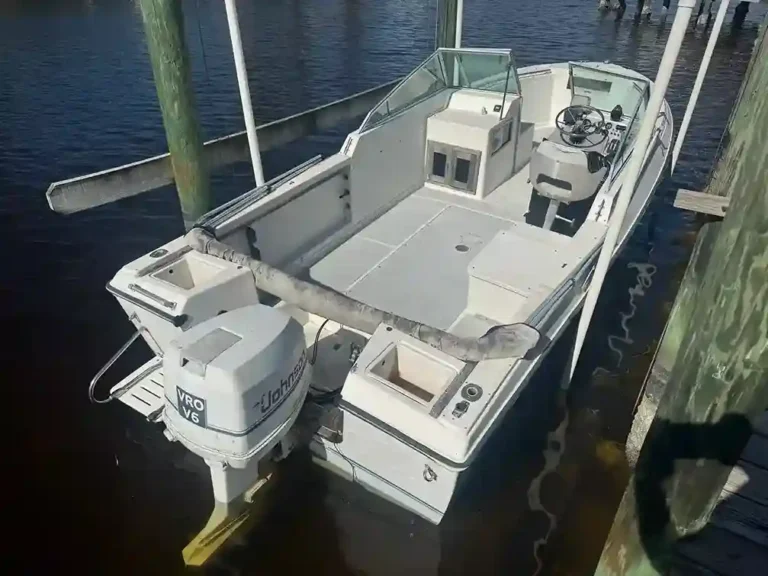
Iowa’s winters are hard on boats. The freeze-thaw cycles that define a Story County winter crack fiberglass hulls, split wood, and corrode metal faster than most owners expect. By the time May arrives, what was already an aging boat may have crossed the line from usable to unsalvageable.
That seasonal shift is exactly why boat removal in Ames, IA sees its highest demand between Memorial Day and Labor Day. New boat purchases push people to finally clear the old one. And frankly, summer schedules fill up fast — waiting until August often means waiting longer than expected.
What Iowa Law Actually Requires
This part surprises a lot of people. Under Iowa state law, if a registered boat is abandoned or destroyed, the owner is required to notify the County Recorder within 10 days. That’s not a suggestion — it’s a legal obligation tied to the boat’s title and registration.
Ignoring this can create title complications, especially if you’re trying to transfer or dispose of the vessel through a licensed service. Getting ahead of the paperwork before summer is well underway saves headaches later.
If you’re unsure whether your boat qualifies as abandoned under Iowa code, that’s worth clarifying before you schedule anything. A reputable boat removal service can help walk you through the documentation side of things.
What Boat Removal in Ames Actually Looks Like
Professional removal isn’t just backing up a truck. The process typically starts with an assessment — condition, size, location on your property, and whether the boat is still on a trailer. That information determines equipment needs and scheduling.
Most residential removals in the Ames area involve:
- Access evaluation (driveway clearance, overhead obstacles, gate width)
- Draining any remaining fuel or fluids before transport
- Loading with specialized equipment if the vessel is off its trailer
- Transport to a licensed disposal or recycling facility
Iowa doesn’t have the marine salvage infrastructure you’d find in coastal states. That means responsible boat disposal services in Ames and central Iowa depend on partnerships with recyclers who handle fiberglass, metal, and hazardous materials separately. Environmentally responsible boat disposal in Iowa takes more coordination than people assume — which is another reason to avoid DIY approaches.
Free Removal Isn’t Always Off the Table
Depending on the boat’s condition and what salvageable materials remain, some owners qualify for free boat removal. Aluminum hulls, working motors, and intact trailers have scrap or resale value that can offset removal costs entirely.
Fiberglass boats in poor condition are a different story — those typically involve disposal fees because fiberglass recycling is more costly and less widely available. Being honest about your boat’s condition upfront helps you get an accurate quote without surprises.
When to Make the Call
If your boat hasn’t been in the water in two or more seasons, the math usually isn’t in favor of holding onto it. Storage space, potential liability, and ongoing deterioration all compound over time.
The window between late May and early July is historically the easiest time to get removal scheduled in the Ames area before summer demand peaks. Waiting until August means competing with everyone else who had the same idea in June.
If the vessel on your property belongs to someone else, the legal steps involved are different — that situation is covered in more detail in this guide on handling an abandoned boat on your property.
For most Ames homeowners, the path forward is straightforward: document the boat’s condition, confirm your title paperwork, and contact a professional removal service early in the season. The longer it sits, the fewer options tend to remain.